


This collection gathers some of the most powerful voices in Bulgarian literature — poets whose words shaped generations, and whose emotional landscapes still echo in the hearts of women like me.
It is my own small anthology —
a gathering of the voices that have shaped me,
the poets whose words carry the pulse of Bulgaria
deeper than any history book or memory ever could.
“To Return to the Father’s House”
Dimcho Debelyanov
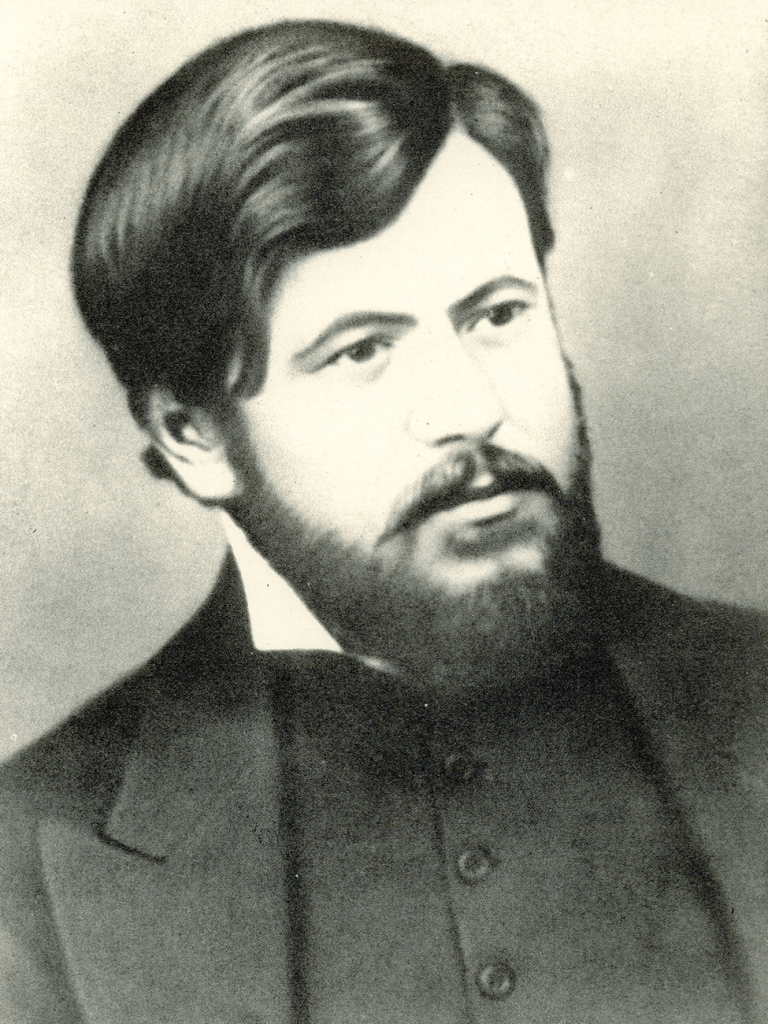
(Да се завърнеш в бащината къща)
To return to the father’s house
when evening gently fades away,
and the quiet air trembles and breathes
with that same peace that stroked your childhood.
To return…
to place your fingers
on doors dusty with forgetting,
and to peek into the darkened rooms
with eyes where memory softly sings.
To return to the father’s house
when evening gently fades…
Ah, how tender it is! And how sad
to recall days long past but still powerful.
And to hear again your mother whisper:
“My child… are you tired again?”
And to feel how one single tear
burns your heart in an instant.
To return to the father’s house
when you have lost your path and future…
and there, beneath the shade of the old walnut tree,
to fall quietly
and return within.
“Do You Remember, Do You Remember”
Dimcho Debelyanov
(Помниш ли, помниш ли)
Do you remember, do you remember the quiet yard,
the quiet yard and the white house?
Ah, even then it was dusk,
a blue mist drifting through it.
Do you remember the quiet whisper and call,
tightened lips trembling with longing,
the lips so sad, the eyes so mute,
and in the half-light, trembling and thirsty…
Do you remember… there, under the frozen branch,
there, beneath the shimmering window,
I touched you gently, and begged the world
to guard forever that evening, that moment, that calling.
Do you remember the quiet yard?
Darkness is everywhere. And in my soul is darkness.
And I will seek you all my life
in the quiet yard… but will it ever return?
“I Want to Remember You”
Dimcho Debelyanov
(Аз искам да те помня)
I want to remember you just like this,
with a gentle smile and dreamy eyes,
you who once found in my loneliness
a single joy, pure and unknown.
I want to remember you just like this,
to be a ray in my troubled soul,
to be a tender drop of sorrow
that keeps the memory alive.
I want to remember you just like this,
distant, quiet, held in memory,
like a star above the dark night,
flashing for a moment, then asleep again.
And let the days of sorrow and pain,
of hopelessness, worry and searching,
hold a little light within me
from your love, quiet and deep.
“Two Lovely Eyes”
Peyo Yavorov
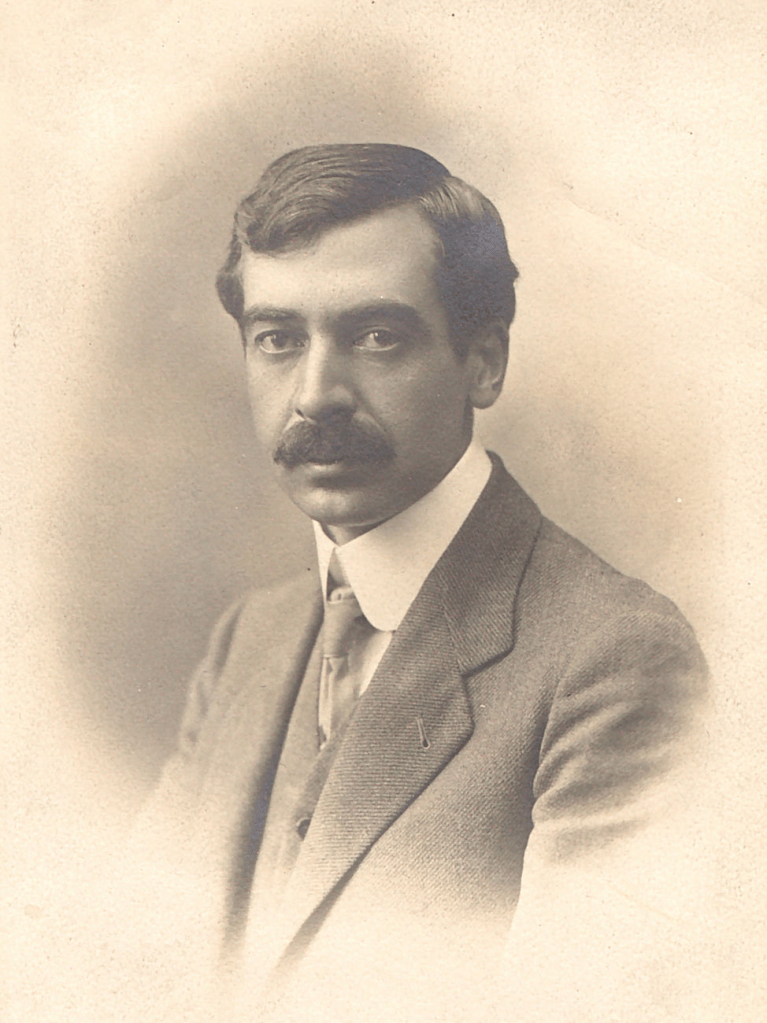
(Две хубави очи)
Two lovely eyes,
the soul of a child
in two lovely eyes;
music, rays of light
in two lovely eyes.
Young hopes in them
no longer shine;
and dreams deceive within,
the soul of a child,
two lovely eyes.
My soul prays
to be a child again…
Two lovely eyes,
music, rays of light,
the soul of a child.
“Farewell (To My Wife)”
Nikola Vaptsarov
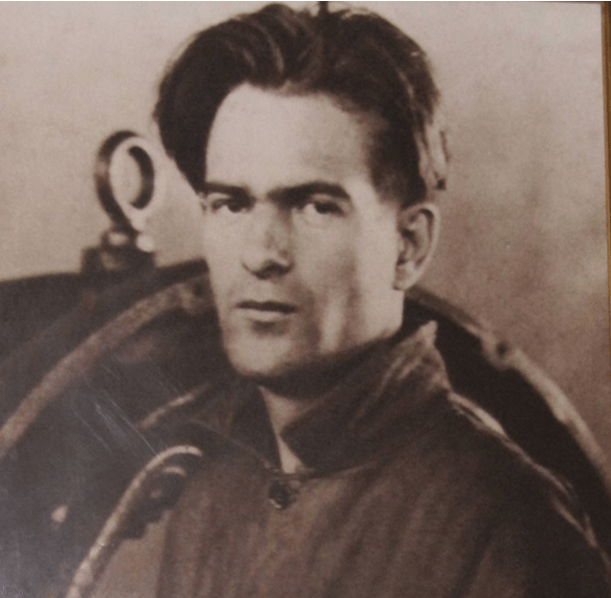
(Прощално)
Sometimes I will come into your dreams
like an unexpected and unwelcome guest.
Do not leave me outside on the road,
do not bar the doors.
I will enter softly. I will sit quietly,
my gaze fixed in the darkness to see you.
And when I have had my fill of watching you
I will kiss you, and I will leave.
“You Called Me”
Blaga Dimitrova
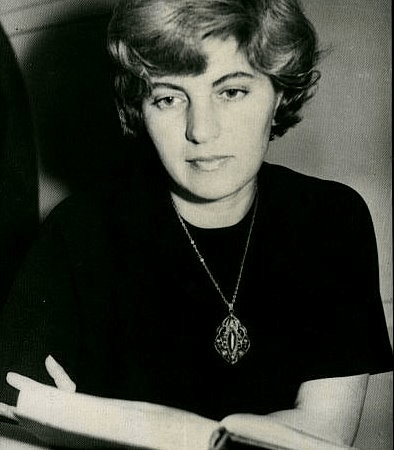
(Ти ме повика)
You called me
from far away,
beyond the farthest distance,
and I stepped toward you.
You touched me
without looking,
with a touch
I will remember all my life.
You found me
in the darkest place in me
and left light there,
as if you had been born for this.
You chose me
before you knew me.
I knew you
before I met you.
And I followed your voice,
not loud, not clear,
only mine.
It hurt,
but I walked.
I was afraid,
but I believed.
You called me,
and I returned
to myself.
“I wanted to lose you forever…”
Blaga Dimitrova
(Исках да те нямам завинаги… )
“I wish you were lost to me forever,
not mine for just a moment.”
“Journey to Myself”
Blaga Dimitrova
(Пътуване към себе си)
“To feel needed. Despite everything.
To hurry somewhere, to carry something,
to believe someone waits for you,
that without you they cannot manage,
that they watch the horizon to see you coming.
To surprise the world with some discovery.
But I carried nothing except a stained name.
No one waited for me, no one watched the road
counting the minutes.
The speed with which I flew
turned into a dry, barren wind.
Speed, speed into nothingness,
devastating like a desert wind.
Your entire life flashes before your eyes.
You want to cling to something,
to hold yourself on the edge of the abyss.
It cannot be that you are unnecessary in this world.
Even the last person is needed somewhere,
by someone, for something.”
“A terrible power lies in the hands of the beloved man…”
Blaga Dimitrova
“A terrible power is gathered in the hands of the beloved man.
The long, sensitive fingers can touch you and read every fold
of your skin like a braille alphabet.
They can read you completely.
Erase every memory of another touch.
Shape you and carve a goddess out of you.
And at the same time, they can subdue you.
Fear and tenderness, protection and threat.
Whatever it will be, let it be from his hand.
From no other, only from his.”
“To have the strength to rise after love…”
Blaga Dimitrova
“To have the strength to rise after love and leave…
They carry you in their arms like a queen to the heavens.
And then they let you descend alone from that heaven
and place your bare feet on the cold, rough earth.
That moment is the greatest humiliation a woman knows.
Any woman can lie down.
But not every woman can rise upright from the bed
and keep her queenly dignity.
It is good that the man usually sleeps in that terrible moment.
Asleep and unaware that suddenly she, conquered and subdued,
remembers another man who would never let her leave
so bowed and broken.
This is the greatest female infidelity
under the conqueror’s nose.”
“The heart is free to fall in love despite everything…”
Blaga Dimitrova
“The heart is free to fall in love despite everything.
This is the only complete freedom on earth.”
“Everything for a woman is pain…”
Blaga Dimitrova
(Translated earlier)
“Everything for a woman is pain.
To be a woman means to be living pain.
When you become a girl, it hurts.
When you meet love for the first time and become a woman, it hurts.
When you become a mother, it hurts.
But the most unbearable pain
is never to feel or know fully any of these pains.
And I rejoiced in pain
because through it I became myself.”
“Escape is not salvation…”
Blaga Dimitrova
“Escape is not salvation. Escape is no path at all.
It is a return backward and stagnation.
To remain faithful to your inner direction
is the hardest thing in this world.
Let thunder crash above your head.
There is nowhere to run from your path
and from yourself.
You are born human to walk with your face forward.
The horizon, overturned by your confusion,
returns to its place and draws its eternal line.
It opens before you, even if clouded.
You cannot run from the clouds.
They are everywhere, above you and within you.
You must break through the clouds with your head.
Draw the lightning to yourself.
There is no other way.
Above the clouds, there is light.
The shortest path to the light, the only one,
goes through the clouds.
You must return, no matter how heavy,
whatever awaits you.
Whatever awaits you.”
“The world seems frightening…”
Blaga Dimitrova
“The world seems frightening when your face
is turned one way but your thoughts and heart
are in the opposite direction.”
“Perhaps femininity is a rare spark…”
Blaga Dimitrova
“Perhaps femininity is a rare spark
that ignites only upon contact
with true masculinity.”
“Without love from this day forward…”
Blaga Dimitrova
“Without love from this day forward I will live.
Independent from phone calls and chance.
There will be no pain. And no longing.
I become a tied wind and a frozen spring.
No pale face after sleepless nights,
but also no blush of joy.
No sinking into the earth from sorrow,
but also no rising to the sky.
No cruelty, but also
no gesture like an endless horizon.
No darkness falling over me,
but also no vast open sky.
No waiting for the night in exhaustion,
but also no dawn rising for me.
No freezing from harsh words,
but also no burning over embers.
No crying on a harsh shoulder,
but also no true laughter.
No dying from a single look,
but also no longer truly living.”
“Where do unwritten poems go…”
Blaga Dimitrova
“Where do unwritten poems go, the unborn images?
The air is full of seeds of unrealized creations.
Perhaps they are the very substance of Earth’s atmosphere
that gives life to the planet.
We breathe poetry from the air without even noticing.
It enters us through the rhythm of fading footsteps,
through the radiance of the imagination of unknown poets long dead,
through soul vibrations that can never be extinguished.
Blind and deaf, we pass through the world
without sensing the poetry around us.
Only when our skin is thrust through the fire and ice of some suffering
do wounds open in it like eyes and ears.
And while those wounds have not yet begun to heal,
we take in, in scorching breaths,
the poetry of the world.”
“When You Are at the Bottom” ♡
Damyan Damyanov
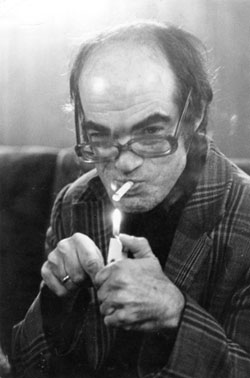
(Когато си на дъното)
“When you are at the bottom of hell,
when you are the saddest, the most unfortunate,
from the burning coals of your sorrow
make yourself a ladder and climb out.
When you are crushed by pathlessness
and walled in four walls,
from all your cut-off paths
create a new one and walk again.
When the world grows dark before your eyes
and dims in those two eyes,
create your own sun
and climb to it with your last ray.
Life’s riddle is thorny and blind,
it stretches our souls upon a cross.
Lose everything, but do not lose yourself,
only then will you solve it.”
Hristo Botev – “The Hanging of Vasil Levski”
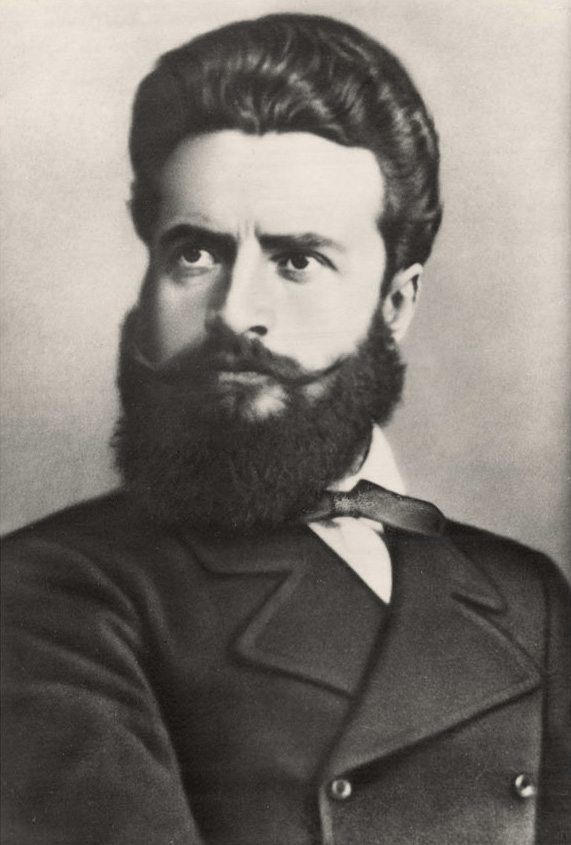
The Hanging of Vasil Levski
Hristo Botev
In memory of Vasil Levski
O my mother, my dear homeland,
why do you weep so sadly, so tenderly?
The raven croaks, grim and ominous,
dogs and wolves howl through the fields,
the harsh cold winter settles silent,
the frozen earth shivers bitterly.
And you, my homeland,
you suffer so heavily…
Ah, I know, I know why you grieve so.
Weep. There, close to the city of Sofia
I saw it standing,
a black gallows.
And one of your sons, Bulgaria,
hangs upon it with terrible force.
This son was
your hope,
your support,
your strength, mother, homeland.
Your worthiest son, Bulgaria.
Ah, angry hands, black and brutal,
flung him about like a bundle of straw.
Your young and fiery heart,
why did it fade so early, mother?
Why did you leave life so soon?
And you, homeland,
holy little mother,
did you cradle him with such devotion?
Did you, mother, wish it so?
Do you not know he was your
most sacred son, unique and unrepeatable,
your Apostle, your holy Levski?
Weep, homeland.
You bear the yoke of bondage,
but your son fell
fighting for you,
for sacred justice,
for freedom.
Weep. There, close to the city of Sofia
I saw it standing,
a black gallows.
Descendant
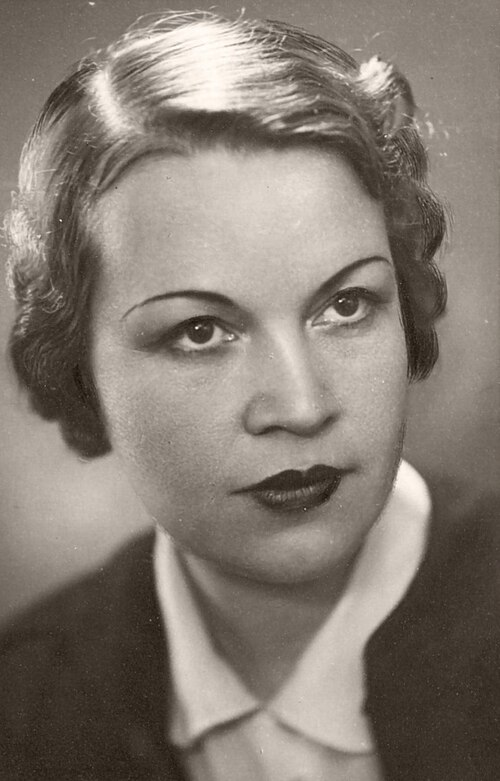
Elisaveta Bagryana
I have no ancestral portraits,
no family book within my line,
and I do not know their sacred words,
their faces, souls, or lives.
Yet I can feel within me beating
an ancient, wandering, untamed blood.
It wakes me in the night in anger,
it leads me toward my first-born sin.
Perhaps some dark-eyed great-grandmother,
in silken trousers and a turban,
escaped into the deepest midnight
with some foreign, fair-haired Khan.
Perhaps the pounding of their horses
echoed through the Danube plains,
and the wind erased their tracks
and saved them both from daggers drawn.
That is why I love, perhaps,
the boundless fields no eye can span,
the gallop of a horse beneath the whip,
a free voice scattered by the wind.
Perhaps I am sinful and deceitful,
perhaps halfway I will break…
I am only your faithful daughter,
my blood-born mother, Earth.
Elements ♡
Elisaveta Bagryana
Can you stop the wind that comes from the burial mounds,
roaring through the mountain passes, raising clouds above the threshing floors,
snatching the eaves from the houses, the tarps from the wagons,
knocking down the gates and fences, sweeping up the children on the square —
in my native town?
Can you stop the Bistritsa River, when in spring it comes in fury,
shattering its ice, breaking the bridge supports,
bursting from its bed and dragging off, muddy and destructive,
the small houses and gardens, and the people’s livestock —
in my native town?
Can you stop the wine once it has begun to boil
in the huge built-in barrels, dripping with fragrant moisture,
where in Cyrillic letters it says “red” and “white” —
in the cold, stone cellars passed down from our ancestors —
in my native town?
How then will you stop me — the free one, the wanderer, the untamed —
the true sister of the wind, of the water, and of the wine,
for whom the lure is always the unreachable, the wide-open,
who forever dreams of roads — unseen, untraveled —
how will you stop me?
Bulgarian Versions
Димчо Дебелянов
Да се завърнеш в бащината къща
Да се завърнеш в бащината къща,
когато вечерта смирено гасне,
и тихи въздухът трепти и дъхне
на онзи мир, що в детството те ласкал —
да се завърнеш…
— пръсти да положиш
върху вратите, прашни от забрава,
и в тъмните одаи да надзърнеш
с очи, в които споменът припява.
Да се завърнеш в бащината къща,
когато вечерта смирено гасне…
Ах, колко мило е! И колко тъжно
да си спомниш дни отминали и властни…
И пак да чуеш мама как ти шепне:
„Дете мое… ти пак ли си изморен?“
И да усетиш как една сълза
изгаря в миг сърцето просълзен.
Да се завърнеш в бащината къща —
когато си изгубил път и бъдеще…
и там, под сянката на стария орех,
да паднеш тихо —
и да се завърнеш вътре.
„Помниш ли, помниш ли“
Помниш ли, помниш ли тихия двор,
тихия двор и белия дом?
Ах, и тогаз беше привечер —
синя мъгла се стелеше в него.
Помниш ли тихия шепот и зов,
стиснати устни, тръпнещи жаждно,
устните — тъжни, очите — неми,
и в полумрака — трепетно, жадно…
Помниш ли… там, под скования клон,
там, под блещукащия прозорец,
аз те погалих — и молех света
вечно да пази таз вечер, този миг, този зовец.
Помниш ли, помниш ли тихия двор?
Мрак е навред. И в душата ми — мрак.
И пак ще те търся в живота си цял
в тихия двор… но ще бъде ли пак?
„Аз искам да те помня“
Аз искам да те помня все така —
с усмивка кротка, със очи мечтани,
веднъж открила в мойта самота
едничка радост — чиста и незнана.
Аз искам да те помня все така —
да бъдеш лъч в душата ми тревожна,
да бъдеш нежна капчица тъга,
която пази спомена възможен.
Аз искам да те помня все така —
далечна, тиха, в спомена останала,
като звезда над тъмната нощта,
за миг проблеснала — и пак заспала.
И нека в дните скръбни на тъга,
на безнадеждност, мъка и тревога,
в душата ми остава светлина
от твойта обич — тиха и дълбока.
Пейо Яворов
„Две хубави очи“
Две хубави очи —
душата на дете
в две хубави очи;
музика — лъчи
в две хубави очи.
Надежди млади в тях
не светят вече;
и лъжат в тях мечти —
душата на дете,
две хубави очи.
Душата ми се моли
дете да бъда пак…
Две хубави очи —
музика — лъчи,
душата на дете!
Никола Вапцаров
ПРОЩАЛНО
(На жена ми)
Понякога ще идвам във съня ти
като нечакан и неискан гостенин.
Не ме оставяй ти отвън на пътя –
вратите не залоствай.
Ще влезна тихо. Кротко ще приседна,
ще вперя поглед в мрака да те видя.
Когато се наситя да те гледам –
ще те целуна и ще си отида.
Блага Димитрова
Ти ме повика
Ти ме повика
отдалече,
отвъд далечината –
и аз пристъпих.
Ти ме докосна
без да гледаш,
с докосване,
което помня цял живот.
Ти ме намери
в най-тъмното ми място
и светлина остави там,
като да си бил роден за това.
Ти ме избра,
преди да ме познаваш.
Аз те познах,
преди да те срещна.
И тръгнах след гласа ти –
нито силен, нито ясен,
а просто мой.
Болеше ме,
но вървях.
Страхувах се,
но вярвах.
Ти ме повика –
и аз се върнах
при себе си.
“Исках да те нямам завинаги, а не да те имам за кратко. ” ~”
Пътуване към себе си
“Да се чувстваш нужен. Въпреки всичко. Да бързаш занякъде, да носиш нещо, да вярваш, че те чакат, че без тебе не могат, че се взират в далечината идеш ли.
Да изненадаш света с някакво откритие. Но аз нищо не носех освен едно опетнено име.
Никой не ме чакаше, никой не гледаше жадно към пътя, да се задам, не броеше минутите.
Скоростта, с която летях, се превърна в сух, безплоден вятър.
Скорост, скорост към нищото,опустошителна като суховей.
Целият ти досегашен живот пробягва мълнийно пред очите ти.
Искаш да се вкопчиш в нещо, да се задържиш на ръба на пропастта.
Не е възможно да бъдеш излишен на тоя свят.
И последният човек е нужен някъде, някому, за нещо.”
“Страшна сила е събрана в ръцете на любимия мъж. Дългите, прочувствени пръсти умеят да те докосват и да четат всяка гънка на кожата ти като азбука за слепи. Могат цяла да те прочетат. Да изтрият всеки спомен от друго докосване по тебе. Могат да те моделират и да изваят една богиня от тебе. Но в същото време и да те подчинят. Страх и нежност, закрила и заплаха. Каквото и да бъде, нека де е от неговата ръка! От ничия друга, само от неговата!”
“Да имаш сили да станеш след любов и да си отидеш… Носят те на ръце като царица към това небе. А те оставят сама да слезеш от небето и да стъпиш с боси нозе върху студената грапава земя. Тоя миг е най-голямото унижение, което познава жената. Всяка може да легне. Но не всяка умее да стане от постелята права и да запази достойнството си на царица. Добре, че мъжът обикновено спи в тоя страшен миг! Спи и не предполага, че изведнъж тя, завладяната и покорената, си спомня за един друг, който никога не би я оставил да си отиде така наведена и прекършена. Това е най-голямата женска изневяра под носа на покорителя.”
….
“Сърцето е свободно да се влюби въпреки всичко – това е единствената пълна свобода на земята.”
…..
“Всичко за жената е болка. Да бъдеш жена, това значи да бъдеш жива болка. Когато ставаш девойка, боли. Когато се срещаш за първи път с любовта и ставаш жена, боли. Когато ставаш майка, боли. А най-непоносимата болка е никога да не усетиш и да не познаеш докрай всички тия болки. И аз се радвах на болката, защото чрез нея се осъществявах.”
♡
…..
“Бягството не е спасение. Бягството не е никакъв път. То е връщане назад и застой. Да останеш верен на вътрешната си посока — най-трудното на тоя свят. Гръм да се сгромоляса над главата ти! Няма къде да избягаш от своя път и от себе си. Роден си човек, за да вървиш с лице напред. Хоризонтът, преобърнат от собственото ти объркване, иде на мястото си и очертава вечната си линия: той се отваря пред тебе, макар и заоблачен. Не можеш да избягаш от облаците, те са навред, над тебе и вътре в тебе. Трябва да пробиеш облаците с главата си! Да привлечеш гърма върху себе си. Няма друг път. Над облаците има светлина. Най-прекият път към светлината, единственият, води през облаците. Трябва да се върнеш, колкото и да е тежко, каквото и да те чака.
Каквото и да те чака!”
“Страшен изглежда светът, когато с лице си към една посока, а с мисъл и сърце — в съвсем противоположна.”
“Може би женствеността е рядка искра, която пламва само при досег с истинска мъжественост.”
“Без любов от днес нататък ще живея.
Независима от телефон и случай.
Няма да боли. И няма да копнея.
Ставам вързан вятър и замръзнал ручей.
Няма да съм бледна подир нощ безсънна –
но и няма да ми запламти лицето.
Няма вдън земя от мъка да потъна –
но и няма да политна към небето.
Няма да съм лоша – но и няма вече
жест като безкраен хоризонт да сторя.
Няма да ми притъмнява – но далече
няма да ми се отваря цял простора.
Няма вечерта да чакам изтомена –
но и утрото за мен не ще изгрява.
Няма от слова да зъзна вкочанена –
но и няма да изгарям над жарава.
Няма да заплача на жестоко рамо –
но и няма от сърце да се засмея.
Няма да умирам аз от поглед само –
но и всъщност няма вече да живея.”
Where do unwritten poems go, the unborn images?
The air is full of seeds of unrealized creations.
Perhaps they are the very substance of Earth’s atmosphere
that gives life to the planet.
We breathe poetry from the air without even noticing.
It enters us through the rhythm of fading footsteps,
through the radiance of the imagination of unknown poets long dead,
through soul vibrations that can never be extinguished.
Blind and deaf, we pass through the world
without sensing the poetry around us.
Only when our skin is thrust through the fire and ice of some suffering
do wounds open in it like eyes and ears.
And while those wounds have not yet begun to heal,
we take in, in scorching breaths,
the poetry of the world
Дамян Дамянов
Когато си на дъното
“Когато си на дъното на пъкъла,
когато си най-тъжен, най-злочест,
от парещите въглени на мъката
си направи сам стълба и излез.
Когато от безпътица премазан си
и си зазидан в четири стени,
от всички свои пътища прерязани
нов път си направи и пак тръгни.
Светът когато мръкне пред очите ти
и притъмнява в тези две очи,
сам слънце си създай и от лъчите му
с последния до него се качи.
Трънлив и сляп е на живота ребусът,
на кръст разпъва нашите души.
Загубил всичко, не загубвай себе си –
единствено така ще го решиш!”
Христо Ботев
Обесването на Васил Левски
О, майко моя, родино мила,
защо тъй жално, тъй милно плачеш?
Гарванът грачи грозно, зловещо,
псета и вълци вият в полята,
стихва се вече зима студена,
сковори пръстта и зъзне люто.
А ти, родино,
ти тъй тежко боледуваш…
Ах, аз зная — зная защо тъй страдаш!
Плачи! Там близо до град София
стърчи, аз видях,
черно бесило.
И твой един син, Българийо,
виси на него със страшна сила.
Този син беше
твоята надежда,
твойта опора,
твойта опора, майко, родино!
Твой най-достоен син Българийо!
Ах, ръце гневни черни угари
размятаха го като сноп слама!
Твойто сърце младо и буйно
защо тъй рано, о майко, гасне?
Защо тъй рано Живота остави?
И ти, родино,
о, майчице свята,
ти ли го тъй люле с готовност?
Ти ли го, майко, тъй пожела?
Нима не знаеш, че той бе твоя
син най-свещен, единствен, неповторим —
твоят Апостол, твой Левски свят?
Плачи, родино!
Ти робство носиш,
но твой син падна
в борба за тебе —
за правда свята,
за свобода!
Плачи — там близо до град София
стърчи, аз видях,
черно бесило.
Елисавета Багряна
Стихии
Можеш ли да спреш ти вятъра, дето иде от могилите,
префучава през боазите, вдига облак над диканите,
грабва стрехите на къщите, на каруците чергилата,
сваля портите, оградите и децата по мегданите —
в родния ми град?
Можеш ли да спреш ти Бистрица, дето иде напролет яростна,
разтрошава ледовете си, на мостовете подпорите
и излиза от коритото и завлича, мътна, пакостна —
къщиците и градинките, и добитъка на хората —
в родния ми град?
Можеш ли да спреш ти виното, щом веднъж е закипяло то
в бъчвите огромни, взидани, с влага лъхаща наситени,
на които с букви кирилски пише „черното“ и „бялото“ —
в избите студен, каменни, завещани от дедите ни —
в родния ми град?
Как ще спраш ти мене — волната, скитницата, непокорната —
родната сестра на вятъра, на водата и на виното,
за която е примамица непостижното, просторното,
дето все сънува пътища — недостигнати, неминати, —
мене как ще спреш?
 Mon’s short stories